
What to Expect When You Schedule Tree Trimming & Pruning With Core Tree Services
March 26, 2026
Proper tree care is more than just a visual enhancement for your property—it is a critical component of maintaining the health, safety, and longevity of your trees. Scheduling tree trimming and pruning with a professional service ensures that your trees receive expert attention tailored to their species, growth patterns, and seasonal needs. Many homeowners underestimate the importance of precise trimming, yet improper techniques can lead to disease, structural weaknesses, or even hazardous situations during storms. Understanding the process before scheduling a service equips property owners to make informed decisions that protect both their landscape and investment. Additionally, professional arborists can identify early signs of disease or pest infestations that may not be obvious to the untrained eye, allowing for preventative measures that save time and money in the long term. This proactive approach ensures trees remain strong, healthy, and resilient year after year.
In addition to safeguarding tree health, professional tree trimming improves aesthetics, enhances property value, and promotes safer outdoor spaces. Experts assess your landscape to identify overgrown branches, deadwood, and areas where trimming can encourage optimal growth. They also consider local regulations, utility lines, and environmental factors to perform the work safely and efficiently. By knowing what to expect during a tree trimming or pruning session, you can prepare your property, set realistic expectations for timing and cost, and ensure a positive experience with skilled arborists who prioritize both precision and care. Moreover, professional trimming can stimulate new growth in strategic areas, resulting in fuller, more balanced trees that complement your landscape design. Homeowners can enjoy peace of mind knowing that every cut made is backed by experience, technical knowledge, and a focus on long-term tree vitality.
Understanding the Tree Trimming & Pruning Process
The Initial Assessment
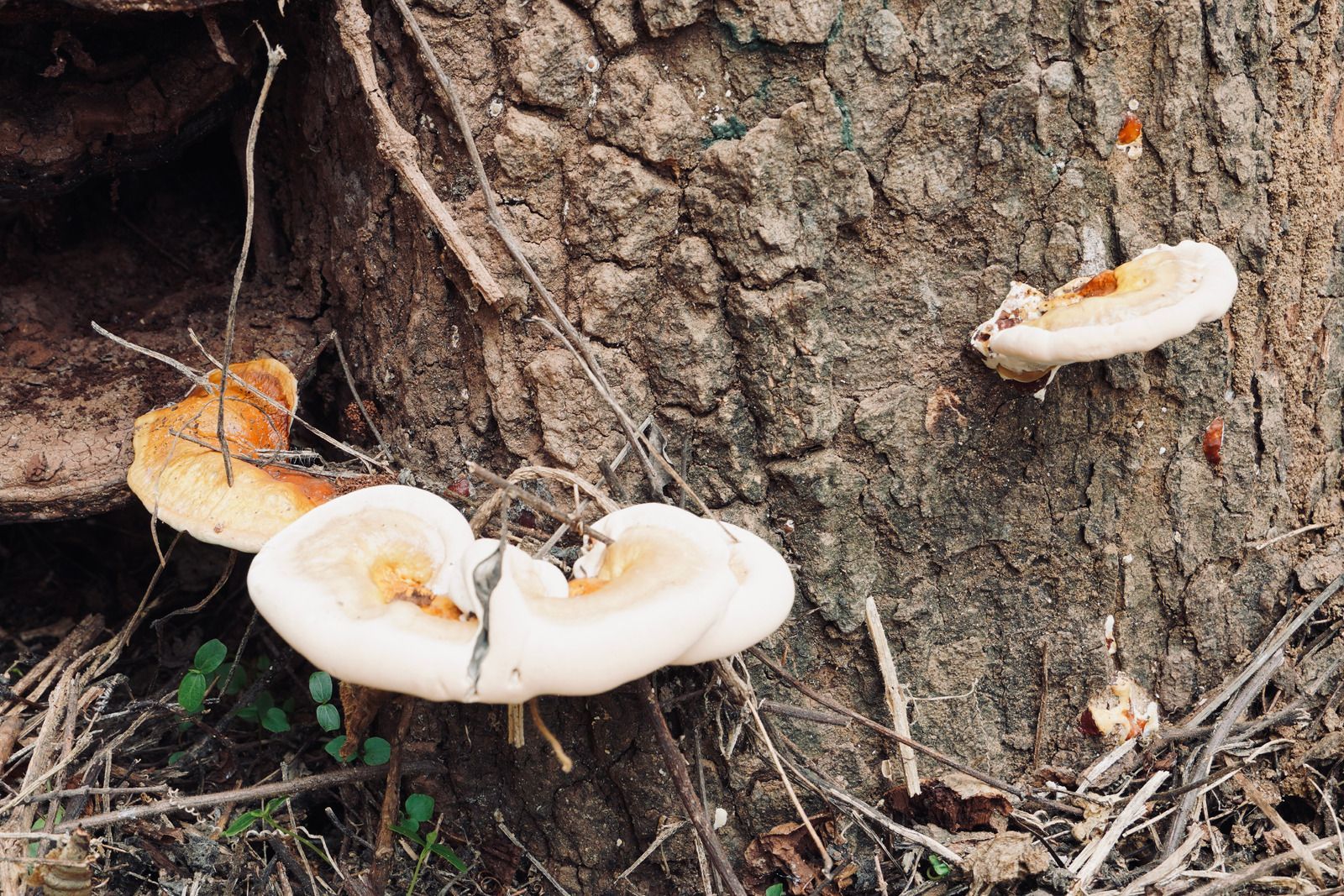
Before any trimming or pruning begins, a professional arborist conducts a thorough evaluation of your trees. This includes identifying the species, assessing overall health, examining branch structure, and checking for diseases or pests. The assessment helps determine which branches require removal, which areas need shaping, and how to balance safety with aesthetic considerations.
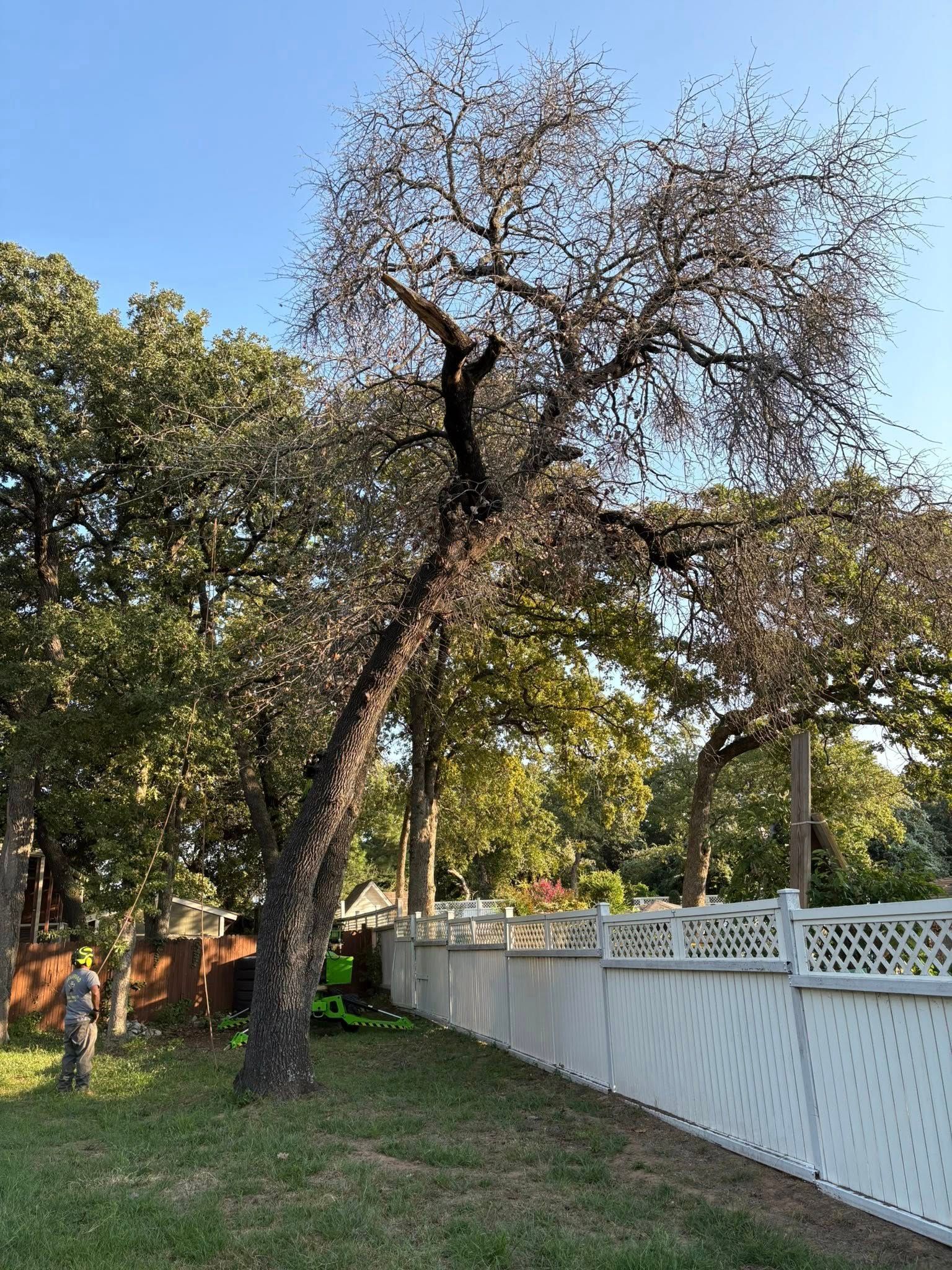
For instance, a tree with extensive deadwood near high-traffic areas may require immediate attention to prevent hazards, while a young ornamental tree might benefit from selective pruning to encourage healthy, symmetrical growth. This initial evaluation ensures that each cut is purposeful, promoting long-term vitality rather than causing unintended stress.
Determining Objectives
Tree trimming and pruning are not one-size-fits-all. The arborist discusses your goals, which could include:
- Improving tree health by removing diseased or damaged branches
- Enhancing visual appeal and landscape designReducing risks near homes, walkways, or utility lines
- Encouraging fruit production or managing size
Clear communication during this stage allows the service provider to customize their approach, prioritizing the outcomes most important to the property owner while maintaining the integrity of the tree.
Techniques and Tools Used by Professionals
Pruning Methods
Professional arborists utilize several pruning techniques depending on the tree’s species, age, and purpose:
- Crown Thinning: Removing select branches to reduce density, improve airflow, and increase light penetration. This helps prevent disease and encourages healthy growth.
- Crown Raising: Elevating the lower branches to improve clearance for pedestrians, vehicles, or landscaping features.
- Crown Reduction: Carefully shortening overall height and spread without harming the tree’s natural shape.
- Deadwooding: Removing dead, dying, or diseased branches to reduce hazards and enhance appearance.
Each method requires precision and expertise to avoid damage. For example, improper crown reduction can lead to weak regrowth and structural instability, making professional experience essential.
Tools and Equipment
Tree trimming requires specialized tools to ensure clean, safe cuts:
- Pruning shears and loppers for small branches
- Hand saws and pole saws for medium branches
- Chainsaws for larger limbs
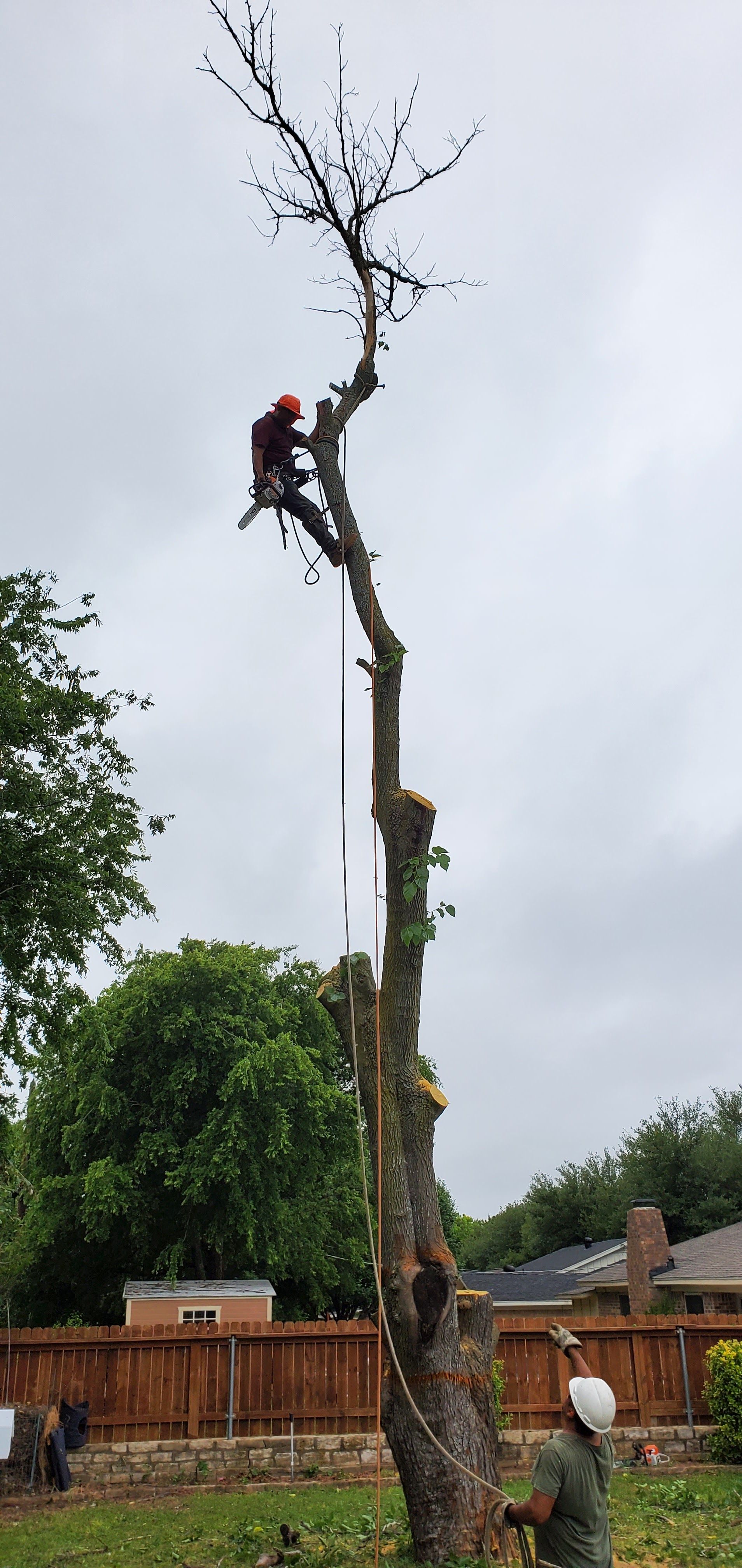
- Safety equipment including harnesses, helmets, and ropes for climbing
Advanced equipment allows arborists to reach high or difficult areas while maintaining safety. The use of clean, sharp tools also minimizes the risk of disease transmission between cuts, supporting long-term tree health.
Safety Protocols and Risk Management
Protecting People and Property
Preparing for Your Tree Trimming Appointment
Before the arborists arrive, homeowners should prepare by:
- Clearing the area around the tree to provide unobstructed access.
- Removing vehicles, outdoor furniture, or garden equipment.
- Identifying any special considerations such as nearby power lines or sensitive landscaping.
- Scheduling during the appropriate season is also important. Many deciduous trees are best pruned during dormancy in late winter, while certain fruit trees may require pruning in early spring to stimulate growth.
Communication and Expectations
Homeowners should communicate specific concerns with the service provider, including:
- Desired tree shape or height restrictions.
- Priority branches to remove for safety or aesthetics
- Any questions about debris cleanup or wood disposal
During and After Tree Trimming
Once the team begins, the process typically follows a structured sequence:
- Remove dead or hazardous branches first.
- Apply selective pruning techniques for health and aesthetics.
- Shape the tree according to the desired outcome.
Expert arborists provide guidance for ongoing tree care, including:
- Fertilization and watering recommendations
- Pest and disease monitoring tips
- Signs of stress or regrowth issues to watch for
Following these recommendations helps maintain the health of trimmed trees, ensuring the investment in professional care continues to yield benefits for years to come.
Benefits of Hiring Professional Tree Trimming Services
Enhanced Tree Health and Longevity
Proper trimming reduces the likelihood of disease, pest infestation, and structural weaknesses. By removing deadwood and promoting balanced growth, professional arborists help trees thrive for decades. This process increases property value, enhances landscape beauty, and supports long-term environmental health and sustainability effectively.
Risks of Neglecting Unwanted Growth
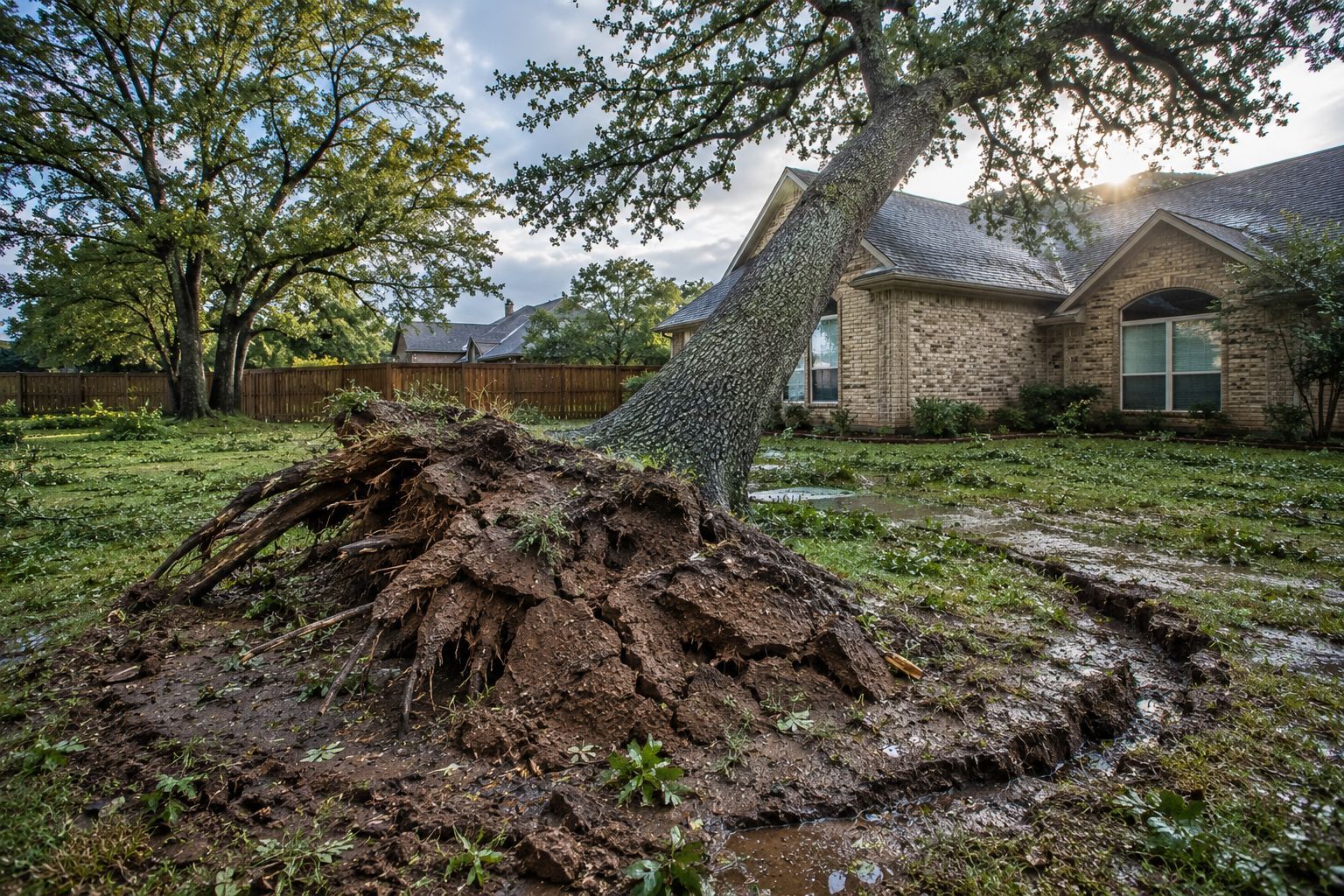
Professional trimming significantly minimizes risks associated with falling branches or improper cuts. This is especially important near homes, driveways, sidewalks, and power lines, where accidents could result in costly damage, serious injuries, or legal liabilities. Skilled arborists ensure safe procedures, protecting people, property, and surrounding structures efficiently.
Aesthetic and Property Value Improvements
Strategically pruned trees improve sightlines, complement architectural features, and enhance overall curb appeal. A well-maintained landscape creates a visually pleasing environment while also contributing substantially to higher property appraisal values. Expert pruning ensures trees look balanced, healthy, and aesthetically appealing in every outdoor space
Time and Cost Efficiency
While DIY trimming may initially appear economical, the costs of tools, mistakes, and time-consuming cleanup often outweigh professional services. Experienced arborists complete work efficiently, safely, and with long-lasting results. Hiring professionals ultimately saves money, time, and stress, providing homeowners peace of mind and optimal tree health
Experienced Tree Care Specialists Delivering Optimal Health
Proper tree trimming and pruning are essential for maintaining healthy, safe, and visually appealing landscapes. By understanding the process—from initial assessment and pruning techniques to safety protocols and post-care recommendations—homeowners can make informed decisions when scheduling professional tree services. Engaging experienced arborists ensures each tree receives tailored attention that supports long-term growth, reduces hazards, and enhances property aesthetics. Moreover, professional care can identify early signs of disease, pest activity, or structural weaknesses, allowing for preventative measures before problems escalate. Regular trimming also promotes stronger branches and healthier foliage, contributing to the overall resilience and longevity of trees across any property.
For those seeking reliable tree care, Deadwood Services in Weatherford, Texas, brings over a decade of expertise to every project. Specializing in comprehensive tree care and removal services, the team combines technical knowledge, advanced equipment, and a deep commitment to customer satisfaction. From precision trimming to detailed pruning plans, Deadwood Services delivers safe, efficient, and visually appealing results for residential and commercial properties alike. Their years of experience ensure every cut enhances tree health and landscape beauty while mitigating risks, making them a trusted authority for homeowners looking to protect and improve their outdoor spaces with professional tree care solutions. Additionally, their team provides guidance on post-care maintenance and ongoing tree health monitoring, ensuring long-term vitality and safety for every property.