
Why Leaving Tree Stumps Can Harm Your Lawn (and Your Wallet)
April 30, 2026
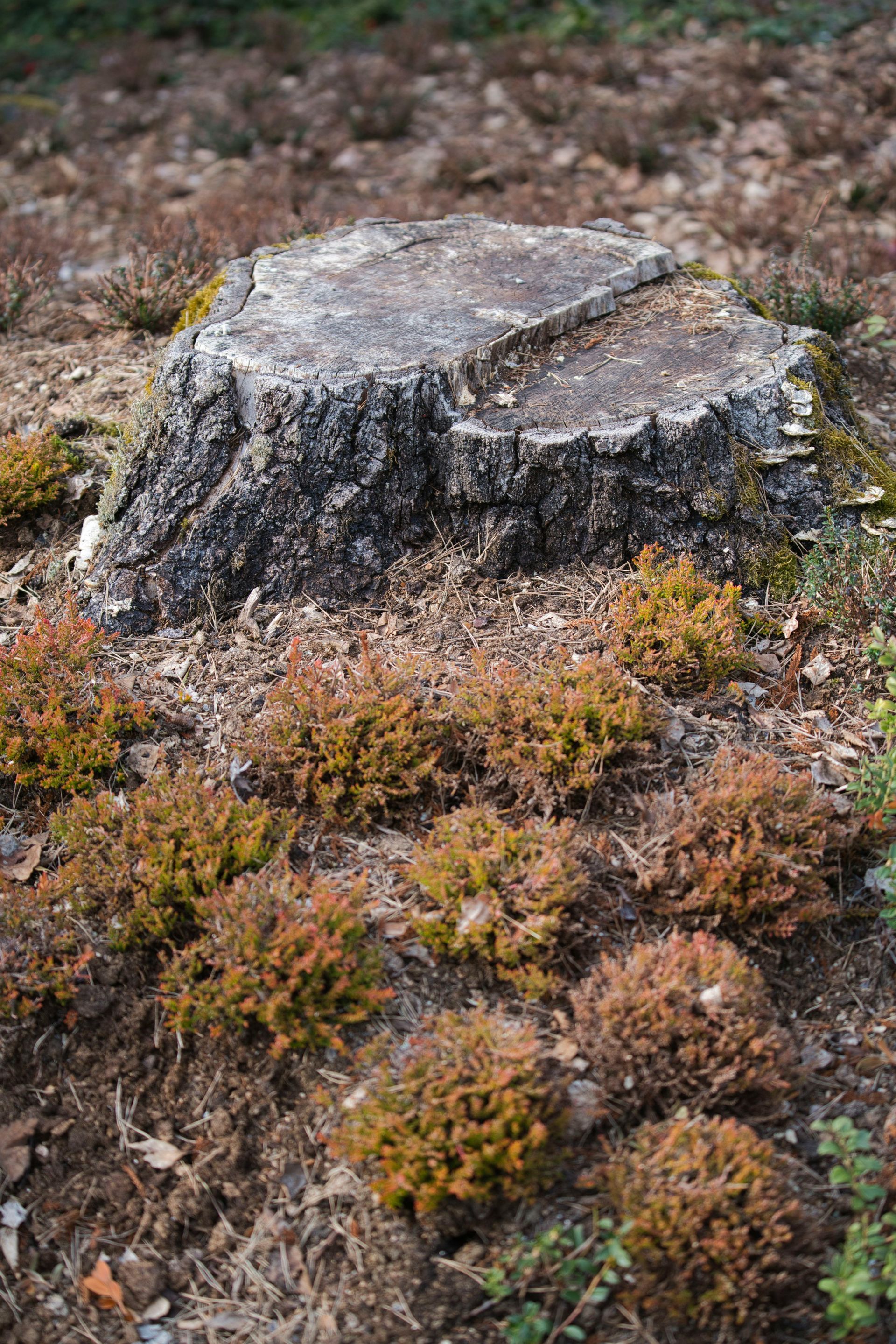
When a tree falls or is removed from your property, the stump is often left behind, leading homeowners to wonder whether it’s necessary to deal with it immediately. While it might seem like a harmless addition to the landscape, leaving tree stumps in place can have a variety of detrimental effects on both your lawn and your wallet. Tree stumps may appear harmless, but they are much more than just an eyesore. Over time, they can cause a host of problems that worsen if ignored. Stumps may begin to rot, attract pests, and affect soil quality, all of which can lead to more significant, costly issues if not addressed promptly. They can even affect the growth of your grass and nearby plants, making the landscape harder to maintain.
The decision to leave tree stumps rather than remove them can lead to several hidden costs. Not only do stumps compromise the aesthetics of your lawn, but they can also encourage unwanted pests, impede lawn care efforts, and even lead to structural damage. Over time, what may seem like a small, insignificant problem can escalate into larger maintenance and repair expenses. Stumps can interfere with irrigation systems, underground utilities, or cause damage to machinery used for landscaping. In this blog, we’ll explore how neglecting tree stump removal can hurt your lawn's health and your finances, providing insights and solutions to help you make informed decisions.Whether you're a homeowner planning landscaping upgrades or someone with an old stump on your property, understanding the real impact of leaving tree stumps is essential for making an informed choice that benefits both your property and your budget.
1. The Aesthetic Drawback: How Tree Stumps Affect Lawn Appeal
Unwanted Eyesore
A tree stump in the middle of your lawn can quickly become an eyesore. Even if it’s not actively rotting, its weathered appearance detracts from the overall beauty of your yard. For homeowners who take pride in their lawns, the presence of a tree stump can make it look neglected or unkempt. This is particularly true for those with well-maintained gardens, where the stump disrupts the visual harmony of the landscape, causing the space to feel less polished and inviting. Additionally, it might give the impression that the homeowner has abandoned proper lawn care, which diminishes curb appeal.
Obstructing Lawn Care
Mowing around tree stumps is a task no one enjoys. Not only does it require extra time, but it also puts added strain on your lawnmower. Over time, constantly cutting around the stump can lead to uneven grass growth, leaving bald spots and creating more maintenance issues. This disruption in lawn care can affect the overall health of your turf, leading to more frequent and costly interventions to keep your yard looking its best. Furthermore, it can cause the mower blades to become dulled or damaged from the hard contact with the stump.
2. The Hidden Pest Problem: Why Stumps Attract Unwanted Guests
A Habitat for Pests
Tree stumps are often a haven for pests, particularly insects like termites, ants, and beetles. These creatures are naturally drawn to decaying wood, which provides an ideal environment for breeding and nesting. Even if the stump isn’t decaying yet, moisture and rotting roots can attract unwanted guests, which can quickly spread to nearby trees, shrubs, or even your home. Termites, in particular, can cause significant damage. If they’re attracted to a stump on your property, it’s only a matter of time before they move on to your wooden structures, including fences, decks, or even your home’s foundation. This can lead to expensive repairs and treatment costs. By removing the stump promptly, you eliminate a potential breeding ground for these pests, protecting your home and garden from further damage and preventing infestations from spreading.
Fungus Growth
Stumps can also harbor fungi, which thrive in decaying organic matter. While some types of fungi are harmless, others can pose a threat to the health of your lawn and nearby plants. Fungus spores spread easily through the air, and once they land on your grass or other vegetation, they can cause fungal diseases, leading to brown spots, wilting, and, in extreme cases, plant death. Removing the stump eliminates this risk, preventing the spread of harmful fungi. Moreover, some fungi species can even attract additional pests, which only exacerbates the problem, creating a vicious cycle of decay and damage.
3. The Risk of Root Spread: How Tree Stumps Affect Nearby Plants
Competing for Resources
When a tree is removed, its roots don’t disappear immediately. They continue to take up space beneath the soil, absorbing nutrients and water. Even if the stump is no longer visible, the roots can continue competing with other plants in the area for these vital resources. This competition can stunt the growth of your grass, flowers, or other plants, leaving your lawn looking patchy or unhealthy. Additionally, the surrounding plants may start showing signs of stress, like yellowing leaves or stunted growth, which directly impacts the aesthetic appeal of your landscape. As a result, you may find that your garden becomes harder to maintain, requiring additional care and attention to restore its former beauty.
Impeding Lawn Health
Roots left behind after tree removal can also impede your lawn’s growth in another way. As the stump and roots decay, they can cause changes in the soil’s structure and pH levels. Decomposing wood releases acids that can alter the soil composition, making it less conducive to healthy grass growth. In areas where stumps have been left behind for long periods, you may notice a decline in the overall health of your lawn, as the soil becomes too acidic for many types of grass to thrive. Over time, this can result in dead patches of grass and increased difficulty in establishing new plants in the affected area. As the soil becomes more hostile, it can also lead to poor drainage, further exacerbating lawn problems.
4. The Long-Term Financial Impact: How Stumps Drain Your Wallet
Expert Tree Stump Removal for a Healthier Lawn
Leaving tree stumps in your lawn may seem like a harmless decision, but it can lead to a variety of serious issues. From compromising the aesthetic appeal of your yard to attracting pests, harming your lawn’s health, and draining your wallet, stumps present both immediate and long-term problems. The cost of removal might seem like an inconvenience upfront, but the financial and aesthetic consequences of leaving a stump behind are far worse. Stumps can lead to uneven lawn growth, damage landscaping equipment, and potentially cause structural harm over time. Removing the stump and addressing any remaining roots ensures a healthier lawn, fewer pests, and a more enjoyable yard to spend time in. The sooner you address the stump, the less hassle and expense you’ll face down the road, ultimately preserving the beauty and health of your property.
If you’re struggling with tree stumps on your property, let us help. At Deadwood Services, with over 8
years of experience in tree care and removal, we specialize in offering efficient and safe stump removal services that improve both the health of your lawn and the value of your property. With our experience and commitment to quality, we ensure that your landscape remains beautiful and well-maintained. Our expert team uses modern equipment to provide thorough, precise stump grinding and removal, leaving your yard free of hazards and aesthetic eyesores. Contact us today for expert advice and
professional tree stump removal in Weatherford, Texas. Trust us to take care of your tree care needs, whether it’s stump grinding or full tree removal, ensuring long-term results that keep your lawn looking its best and your home’s exterior appealing to visitors and potential buyers alike.