
5 Signs Your Trees Need Trimming or Pruning This Season
February 23, 2026
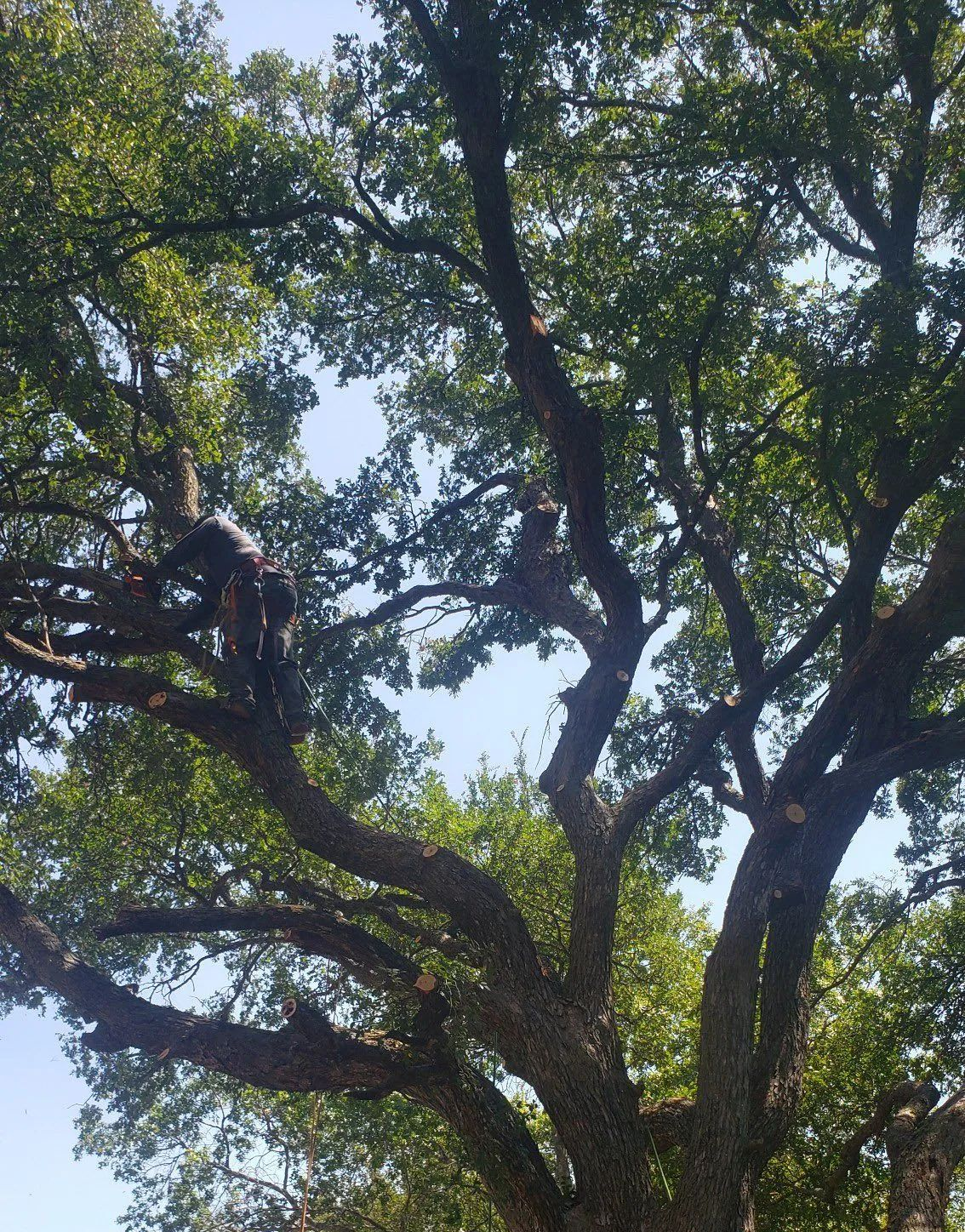
Trees are more than just aesthetic additions to your property—they play a vital role in providing shade, improving air quality, and enhancing the overall health of your landscape. However, like any living organism, trees require regular care to thrive. Trimming and pruning are essential maintenance practices that help maintain the structural integrity, health, and appearance of your trees. Neglecting these tasks can lead to overgrowth, disease spread, and safety hazards, which can compromise both your property and the trees themselves. Recognizing the early signs that your trees need attention is crucial for proactive care and long-term landscape management.
As the seasons change, certain indicators become more apparent, signaling that it’s time to schedule professional trimming or pruning. From overgrown branches that pose risks to uneven growth patterns and declining tree health, these signs serve as warnings that timely intervention is necessary. Understanding what to look for not only protects your property but also ensures that your trees continue to flourish, adding beauty and value to your landscape. In this guide, we will explore the five key signs that indicate your trees need trimming or pruning this season, offering actionable insights and best practices to maintain a healthy, safe, and visually appealing yard.
1. Overgrown or Encroaching Branches
Branches Touching Structures or Power Lines
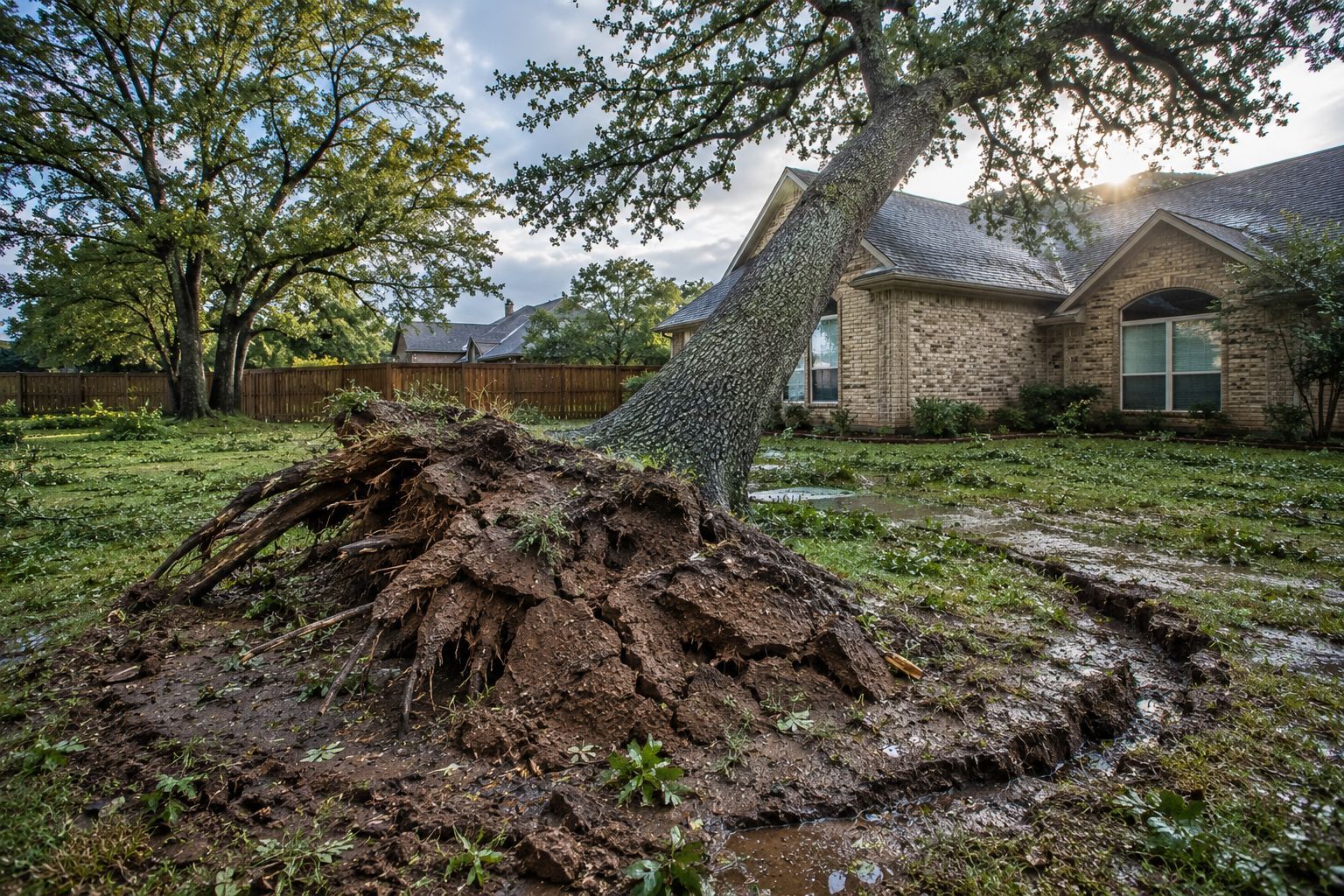
One of the most obvious indicators that a tree needs attention is when branches grow too close to your home, fences, or utility lines. Overhanging branches can damage roofs, siding, and outdoor structures during storms or high winds, especially during seasonal weather events. When branches come into contact with power lines, they pose serious safety hazards, including electrical fires, power outages, or even personal injury. Regular pruning ensures that branches are kept at a safe distance, reducing the risk of property damage, accidents, and potential liability issues.
Interfering with Sunlight or Views
Overgrown branches can block natural light from reaching your garden, lawn, or home interiors, negatively affecting plant growth and the overall health of your landscaping. This can also make your living spaces feel darker, less inviting, and more enclosed than intended. Similarly, excessive branching may obstruct scenic views, patios, or pathways, reducing the aesthetic appeal of your property and creating an unbalanced look.
Best Practices for Managing Overgrowth
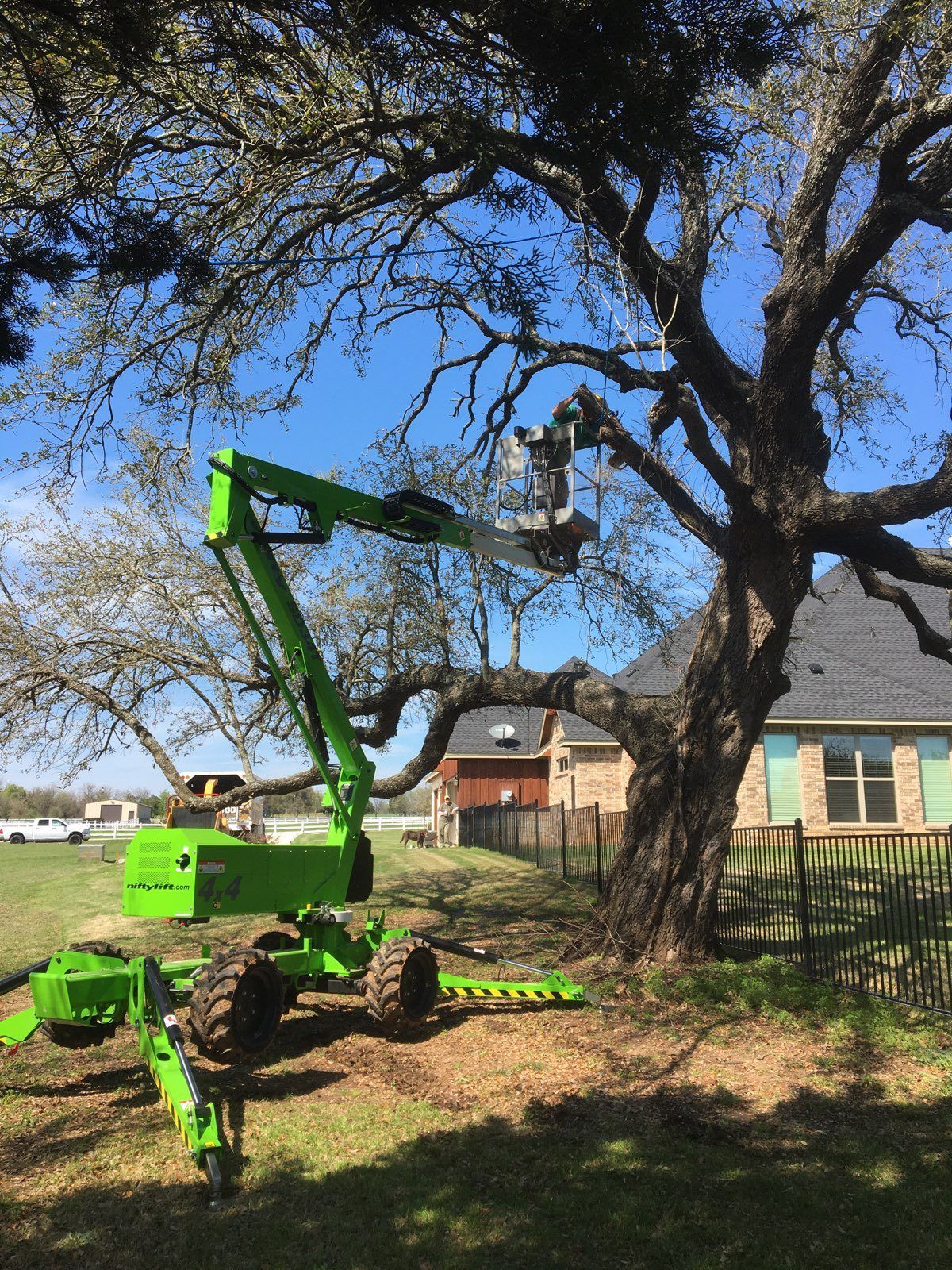
Professional arborists recommend evaluating your trees for overgrowth at least once a year, ideally during dormant seasons. During trimming, it’s essential to remove only the necessary branches to avoid stressing the tree unnecessarily and maintain proper energy distribution. Strategic pruning, rather than heavy cutting, maintains the natural shape while preventing potential hazards or structural weakness.
2. Dead, Diseased, or Dying Limbs
Identifying Dead Branches
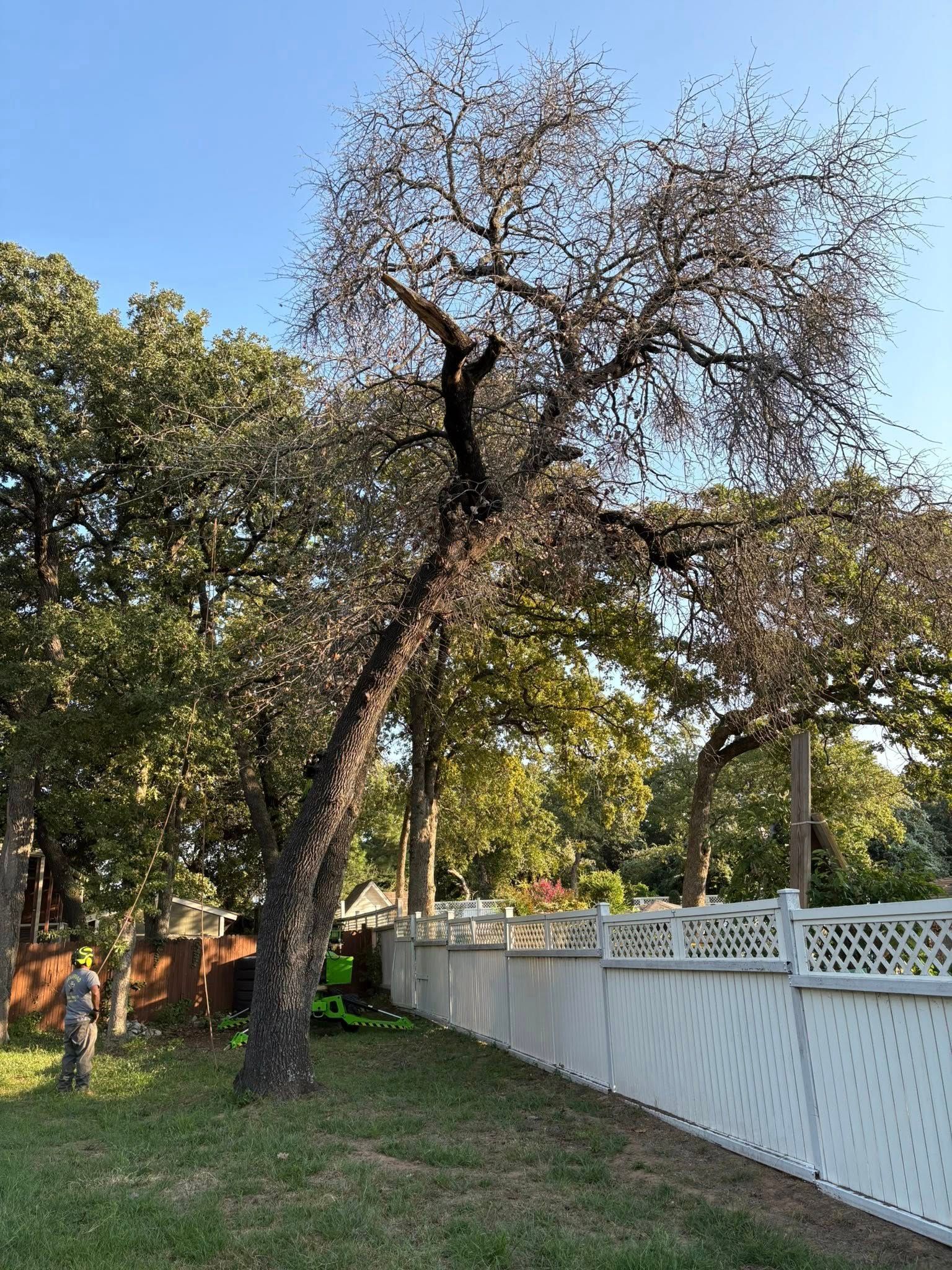
Dead branches are lifeless limbs that no longer support growth and fail to contribute to the overall health of the tree. These can be identified by brittle texture, lack of leaves during the growing season, visible cracks, or peeling bark that indicates internal decay. Deadwood poses significant risks as it can fall unexpectedly, injuring people, pets, or damaging property. Prompt removal of dead branches enhances safety, reduces further structural damage, and encourages healthy new growth on surrounding limbs.
Signs of Disease or Infestation
Diseased or infested branches often display abnormal symptoms, such as discolored leaves, fungal growth, unusual spots, or insect activity that can spread rapidly. Common tree diseases like powdery mildew, canker, or oak wilt can compromise a tree’s structural integrity if left untreated for even a short period. Similarly, insect infestations, such as borers, aphids, or scale insects, can weaken limbs and spread to healthy sections of the tree.
Advantages of Removing Compromised Limbs
Pruning dead or diseased branches supports overall tree health by allowing the tree to focus its energy on healthy growth and maintaining structural integrity. It also enhances air circulation within the canopy, reducing the likelihood of fungal or bacterial infections and improving overall vitality. Timely removal improves the tree’s appearance, safety, and resilience while ensuring that your landscape remains both attractive and secure for years to come. This proactive approach prevents more costly interventions in the future.
3. Uneven or Crowded Canopy
4. Signs of Root or Trunk Issues
5. Excessive Suckers, Water Sprouts, or Unwanted Growth
Understanding Suckers and Water Sprouts
Suckers are shoots that emerge from the base of a tree or its roots, while water sprouts grow vertically from branches or the trunk. Although they are technically part of the tree, these shoots often drain energy from the main canopy, reducing fruit production in fruit trees or weakening structural growth in ornamental species. Excessive growth can create a dense, tangled appearance that negatively impacts both aesthetics and tree health over time, making management essential for long-term vitality.
Risks of Neglecting Unwanted Growth
If left unchecked, suckers and water sprouts can overshadow healthy branches, block sunlight, and create dense areas where pests and disease can thrive. They may also interfere with proper pruning techniques, as their rapid growth can outpace routine maintenance and complicate canopy management. Over time, unchecked growth can compromise the overall shape, balance, and long-term health of the tree, reducing both its safety and visual appeal.
Recommended Pruning Practices
Regularly removing suckers and water sprouts is essential to redirect the tree’s energy toward stronger, more productive branches and maintain proper canopy structure. Pruning should be done carefully, cutting shoots close to the point of origin without damaging surrounding bark or adjacent branches. Seasonal evaluation and consistent maintenance help maintain the structural integrity, appearance, and overall health of your trees, keeping them visually appealing, safe, and strong throughout the year.
Trusted Experts Protecting Trees and Property Year-Round
Regular
tree trimming and pruning
are essential components of proper tree care, ensuring both safety and long-term health. For expert tree care services, Deadwood Services
in Weatherford, Texas, offers over 8
years of experience in professional tree trimming, pruning, and removal. Our skilled team understands the unique needs of trees in this region, providing safe, efficient, and precise care to maintain their health and beauty. Committed to quality, safety, and customer satisfaction, Deadwood Services
is a trusted authority in tree care. Whether you need routine maintenance or specialized interventions, our experienced arborists deliver reliable solutions that protect your property and enhance the longevity of your trees.