
The Ultimate Guide to Tree Trimming vs. Pruning: What Every Homeowner Should Know
December 30, 2025
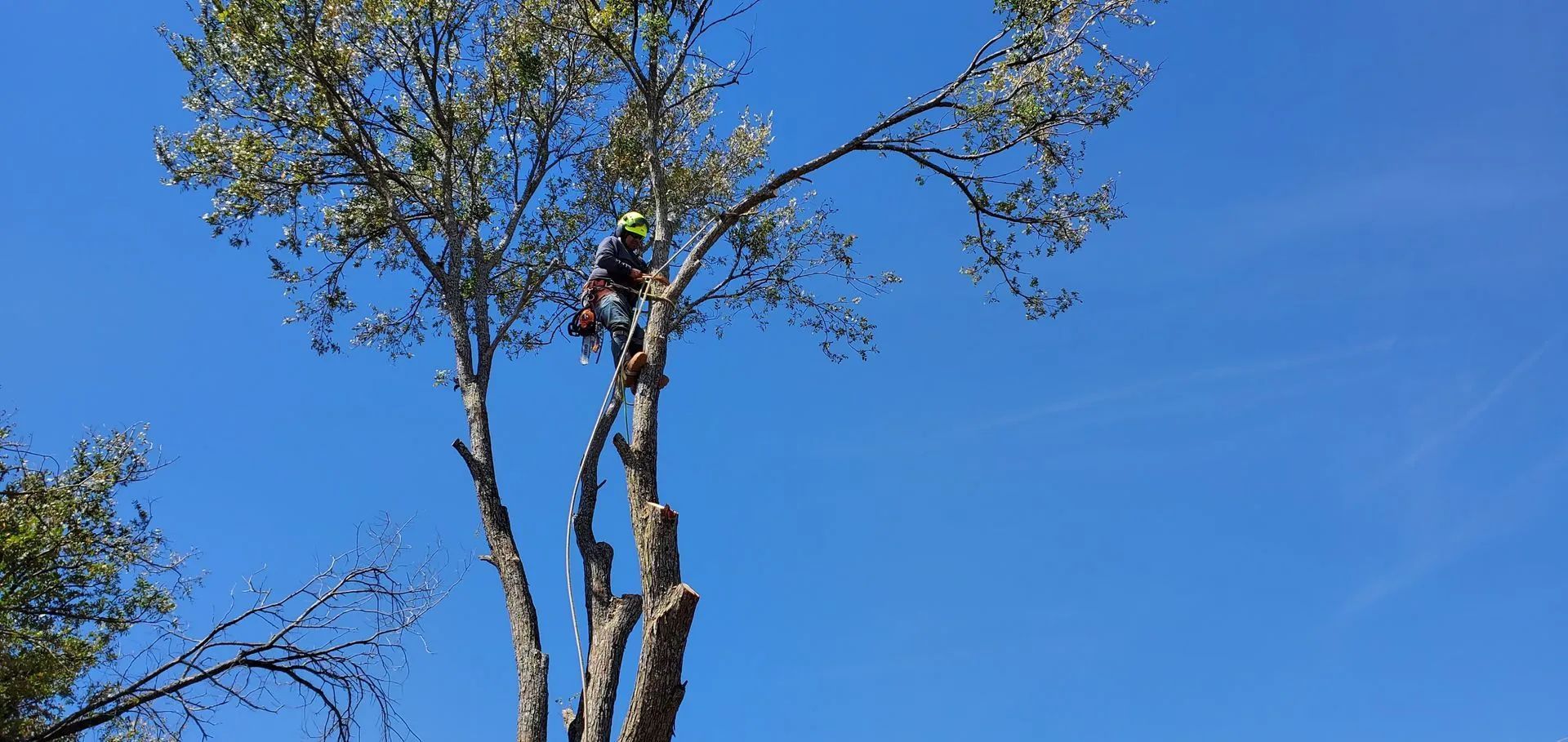
Maintaining the health and beauty of your trees is more than a matter of aesthetics—it’s a crucial aspect of responsible homeownership. Proper tree care not only enhances your property’s curb appeal but also plays a vital role in the safety, longevity, and overall ecosystem of your landscape. However, many homeowners often confuse the terms “tree trimming” and “pruning,” assuming they are interchangeable. Understanding the difference between these practices is essential to making informed decisions that protect your trees and prevent costly mistakes.
Tree trimming and pruning each serve unique purposes in tree maintenance, influencing everything from growth patterns to disease prevention. Trimming is generally aimed at shaping and controlling size, while pruning focuses on removing diseased or damaged limbs to promote tree health. Misapplying these techniques can lead to weakened trees, increased vulnerability to pests, and even hazardous situations near your home. This guide will provide an in-depth look at the distinctions, benefits, challenges, and best practices associated with both tree trimming and pruning. By the end, homeowners will have the knowledge to make educated choices that safeguard the beauty, safety, and longevity of their trees.
Understanding the Basics – What is Trimming vs. Pruning?
Tree Trimming Explained
Tree trimming is primarily a cosmetic and structural procedure. The goal is to remove overgrown or unwanted branches to enhance the tree’s appearance and maintain an ideal shape. Trimming also helps control tree size, preventing interference with buildings, power lines, or other landscaping features. For instance, shaping a young oak tree or reducing excessive branch growth near a driveway is considered trimming.
Tree Pruning Explained
Pruning, on the other hand, is a more technical process centered on tree health. It involves selectively removing dead, diseased, or damaged branches to encourage healthy growth and prevent decay. Pruning improves air circulation within the canopy, reduces disease risk, and strengthens branch structure. For example, cutting away limbs infected by fungal diseases or removing branches crossing over each other falls under pruning.
Key Differences in Purpose
While both practices involve cutting branches, the distinction lies in intent: trimming enhances aesthetics and space management, whereas pruning safeguards tree health and structural integrity. Homeowners should recognize that improper application of either technique can compromise tree vitality and safety.
When to Trim vs. When to Prune
Signs You Need to Trim Your Trees
- Overgrown branches obstructing walkways or driveways.
- Branches interfering with power lines, fences, or roofs.
- Desire to shape trees for visual appeal or uniform landscape design.
- Seasonal overgrowth in ornamental trees or hedges.
Signs You Need to Prune Your Trees
- Dead, diseased, or decaying branches.
- Branches showing signs of fungal infection or pest infestation.
- Weak or damaged branches that could break in storms.
- Trees with dense canopies limiting sunlight penetration or airflow.
Case Study Example
Imagine a mature maple tree with branches encroaching on the roof. A professional trimming session can remove overhanging limbs to prevent roof damage. Meanwhile, pruning would target dead or diseased limbs within the canopy to prevent decay from spreading. Understanding these distinctions ensures that your tree receives the appropriate care for both safety and longevity.
The Benefits of Proper Tree Trimming and Pruning
Enhancing Aesthetic Appeal
Promoting Health and Longevity
Stimulating Growth and Fruit Production
Common Mistakes Homeowners Make
- Over-Trimming or Over-Pruning:- Excessive cutting can stress trees, making them more susceptible to disease and stunted growth. For example, removing too many branches at once can reduce the tree’s ability to photosynthesize effectively.
- Ignoring Timing:- Trimming or pruning at the wrong season can harm certain trees. For instance, pruning flowering trees in late summer instead of during dormancy can eliminate blooms for the following season.
- Using Improper Tools:- Dull or inappropriate tools can create ragged cuts that increase infection risk. Proper hand pruners, loppers, or saws designed for specific branch sizes are crucial.
- Neglecting Safety Measures:- Climbing trees without proper safety gear or cutting near power lines can result in serious accidents. Engaging professional tree care services mitigates these risks.
- Example of Mismanagement:- A homeowner attempting to prune a large oak without professional assistance may inadvertently remove vital branches, weakening the tree and creating hazards during storms. Learning proper techniques or consulting a professional prevents such consequences.
Best Practices for Effective Tree Maintenance
Plan and Assess
Begin with a thorough assessment of the tree’s condition, growth patterns, and surrounding structures. Identify branches that require trimming for space management and pruning for health.
Follow the 3 D’s Rule in Pruning
- Dead: Remove branches that are clearly lifeless.
- Diseased: Cut away limbs affected by fungal or bacterial infections.
- Damaged: Eliminate broken or structurally compromised branches.
Cutting Techniques
- Use clean, angled cuts just outside the branch collar to promote healing.
- Avoid flush cuts that damage the tree trunk.
- For large branches, employ a three-cut method to prevent bark tearing.
Seasonal Considerations
- Dormant season pruning: Ideal for most deciduous trees to minimize sap loss and stress.
- Spring and summer trimming: Suitable for shaping and minor maintenance.
- Avoid late fall pruning in frost-prone areas to prevent tissue damage.
Use Professional Insight When Needed
Some trees, like oaks or maples, require specialized knowledge to prevent disease spread and structural weakness.
Tools, Techniques, and Professional Assistance
Essential Tools for Homeowners
- Hand pruners: Ideal for small branches and detailed work.
- Loppers: For medium-sized limbs requiring more leverage.
- Pruning saws: For larger branches that exceed lopper capacity.
- Pole pruners: To reach elevated branches without climbing.
Protective Gear
- Safety goggles, gloves, and helmets are essential to prevent injury.
- Harnesses or climbing ropes for larger trees.
Professional Services vs. DIY
While minor trimming can be handled by homeowners, pruning for health and structural integrity often requires professionals.
Advantages of Hiring Experts
- Reduces risk of improper cuts that can harm the tree.
- Provides safe handling of large or hard-to-reach branches.
- Offers long-term maintenance plans tailored to your property and tree species.
Example Scenario
A homeowner with multiple mature trees near a power line may benefit from a professional assessment. Experts can safely prune hazardous limbs, advise on timing, and ensure compliance with local regulations.
Cost Considerations and Long-Term Planning
DIY vs. Professional Costs
While trimming small branches may seem cost-effective, improper cuts can lead to expensive tree damage or removal later. Professional tree care involves upfront costs but minimizes long-term risk.
Factors Affecting Costs
- Tree height and species.
- Complexity of cuts and accessibility.
- Equipment required and labor intensity.
Planning for Long-Term Tree Health
Establishing a regular trimming and pruning schedule prevents overgrowth, reduces pest risk, and ensures your trees remain safe and visually appealing for years.
Budgeting Tips
- Schedule annual inspections to identify pruning needs before emergencies occur.
- Combine aesthetic trimming with health-focused pruning to optimize costs.
Real-World Benefit
Investing in periodic pruning for a large oak can prevent limb failure during storms, avoiding potential property damage that could cost thousands more than routine maintenance.
Your Expert Team for Comprehensive Tree Maintenance
Proper tree maintenance is a cornerstone of responsible homeownership, encompassing both the aesthetic benefits of trimming and the health-focused advantages of pruning. Understanding the differences between these practices enables homeowners to make informed decisions that enhance tree longevity, safety, and beauty. Recognizing when to trim versus when to prune, following best practices, and employing the right tools can prevent common mistakes that jeopardize tree health and structural integrity.
For homeowners in Weatherford, Texas, seeking professional expertise, Deadwood Services
stands as a trusted authority in tree care and removal. With 8 years of experience, Deadwood Services
provides comprehensive solutions tailored to each property’s unique needs. From precise pruning that promotes healthy growth to expert trimming for safety and aesthetics, our team ensures your trees thrive year-round. Committed to safety, quality, and client satisfaction, Deadwood Services
combines knowledge, experience, and state-of-the-art equipment to protect your trees and enhance your landscape. Trust Deadwood Services
for dependable, professional tree care that safeguards both your property and your investment.